
The loading dock is a central hub of most industrial and commercial facilities. It’s where goods are received, dispatched, and organized, all of which are essential for production. Unfortunately, without the proper safety equipment and training, loading docks are also potentially hazardous areas where accidents can occur. Loading dock safety gates play an important role in ensuring the safety of workers, truck drivers, and visitors while helping to maintain efficient workflow. In this blog we’ll discuss the importance of safety gates at loading docks and the specific OSHA regulations that govern their use.
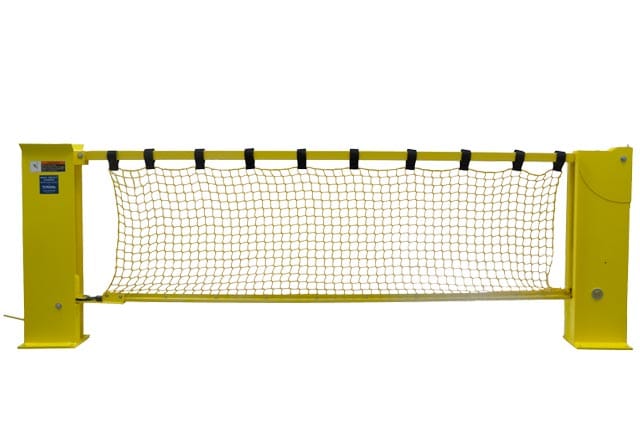
The Importance of Loading Dock Safety Gates
Loading dock safety gates serve a number of purposes, including:
Preventing Falls
One of the most common loading dock hazards is the risk of falls from elevated platforms. Workers loading or unloading trailers, as well as truck drivers, may be exposed to dangerous open edges. Safety gates, such as dock safety barriers, are designed to create a physical barrier and a visual warning, preventing accidental falls.
Improving Employee Safety
Loading dock areas are busy and congested places, with forklifts, pallet jacks, and personnel moving around constantly. Without proper safety measures, collisions and accidents can happen. Safety gates, when strategically placed, help in directing traffic flow and making sure that employees and equipment stay in designated areas, reducing the potential for collisions and injuries.
Compliance with OSHA Regulations
The Occupational Safety and Health Administration (OSHA) has established specific regulations to ensure the safety of workers and visitors at loading docks. All employers are required to comply with these regulations to maintain a safe work environment for their workers. Using safety gates is a crucial part of meeting these OSHA requirements.
OSHA Regulations for Loading Dock Safety Gates
OSHA Standard 1910.28
29 CFR 1910.28, OSHA’s general industry standard, outlines regulations related to fall protection. Under this standard, employers must provide fall protection systems to protect employees working at elevations of four feet or more. Loading dock safety gates serve as an essential fall protection measure and comply with this regulation.
OSHA Standard 1910.23
When loading dock doors are open, a significant fall hazard is created. OSHA Standard 1910.23 pertains to the guarding of floor openings and holes and requires that any floor openings or holes be protected by a standard railing or cover that is compliant with their regulations.
OSHA Standard 1910.176
Employers are required to provide a safe working environment, and safety gates are an integral part of ensuring safety during material handling and storage operations. This standard outlines safety requirements for material handling and storage, which includes the use of equipment at loading docks, including safety gates.
Safety at the loading dock is not just a good practice; it’s a legal requirement. Loading dock safety gates play a vital role in mitigating risks, preventing accidents, and ensuring compliance with OSHA regulations. By providing fall protection, directing traffic, and guarding openings, these gates are essential components of a comprehensive safety strategy.
Businesses that prioritize loading dock safety are not only following the law but also investing in the safety and success of their operations. If your company has questions or concerns about safety in your plant, facility, or workplace, call us at Beuschel Sales. We would be happy to discuss your options for increasing safety and reducing the risk of accidents.