In the world of logistics and warehouse management, efficiency and safety are equally important. For workers on the loading dock, the dock leveler plays a crucial role in achieving these goals because of its “float” feature. If you’re not sure what dock leveler float is or why it’s important, we will explain both in this blog.
Introduction to Dock Levelers
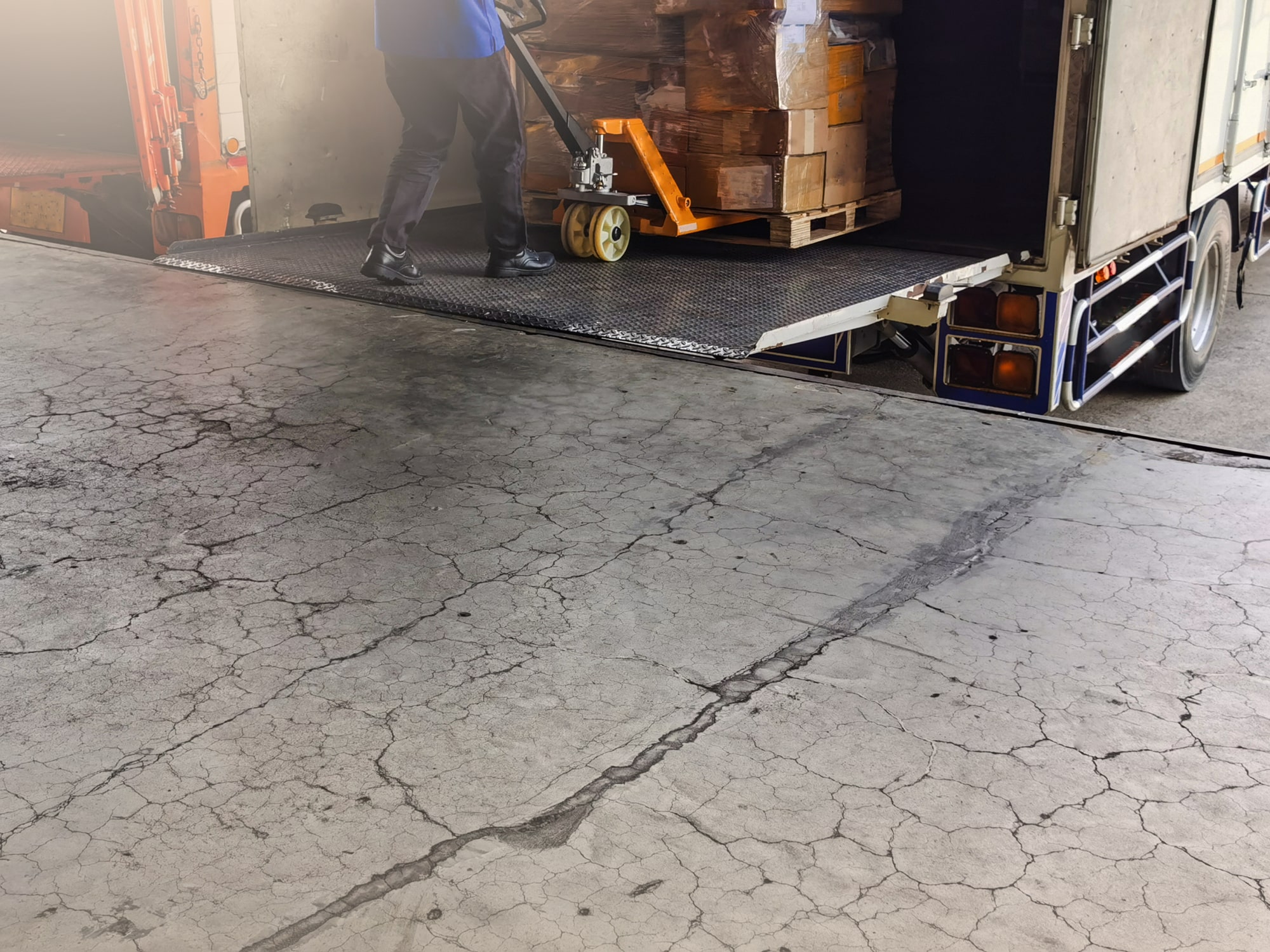
A dock leveler is the bridge that fills the gap between the warehouse floor and the truck or trailer bed. It facilitates the smooth and safe movement of goods, equipment, and people. Dock levelers come in various types, including mechanical, hydraulic, and air-powered, all of which have their unique advantages but share a common function.
What Is Dock Leveler Float?
The term float refers to the dock leveler’s ability to adjust itself vertically to accommodate the changing height of the vehicle’s bed when it’s being loaded or unloaded. The float feature is important because, as cargo is added to or removed from the vehicle, its suspension may cause the bed height to change. Without the dock leveler adjusting, or floating, potential gaps or height differences may be created that could be hazardous for forklifts and workers.
How Does Float Work?
Dock leveler float operates through a mechanism that allows the leveler platform to move up or down slightly after it has been positioned onto the truck bed. Float ensures that the leveler can adjust to the vehicle’s up and down movements, maintaining a constant and safe bridge for material handling equipment to move across. The float feature is more prevalent in hydraulic and air-powered dock levelers, where the fluidity of motion is more easily managed than it is with mechanical levelers.
The float feature of dock levelers offers several significant benefits:
- Safety: By maintaining a tight and secure connection between the dock and the vehicle, the float feature minimizes the risk of accidents, such as forklifts tipping over or falling between gaps.
- Efficiency: Float enables faster loading and unloading by ensuring that forklifts can move smoothly and without interruption, reducing downtime and increasing productivity.
- Equipment Protection: Minimizing the height difference and gap protects not just workers but also forklifts and other material handling equipment from undue wear and tear or damage.
Implementing Dock Leveler Float in Warehouse Operations
For warehouses looking to enhance their loading dock efficiency and safety, investing in a dock leveler with a robust float mechanism is a good decision. If you are looking to add a dock leveler to your operations you should:
- Understand the differences between mechanical, hydraulic, and air-powered levelers so that you can choose the type that best suits your operational needs.
- Make sure that your dock leveler can handle the volume and weight of your goods and fits well with your dock and the vehicles that use it.
- Choose a dock leveler known for durability and ease of maintenance to ensure long-term reliability. Beuschel Sales has always sold and installed Kelley dock levelers because we believe in the integrity and longevity of Kelley’s loading dock products.
The dock leveler float feature ensures that loading and unloading the truck bed is seamless, safe, and efficient. By understanding and leveraging this technology, warehouses can significantly enhance their operations and remain competitive. Investing in the right dock leveler, with a focus on the float capability, is a strategic move towards operational excellence and safety. Call us at Beuschel Sales if you have any questions about what the best dock leveler would be for your facility. We would be happy to discuss your needs with you and make our professional recommendations for a safer, more efficient loading dock.